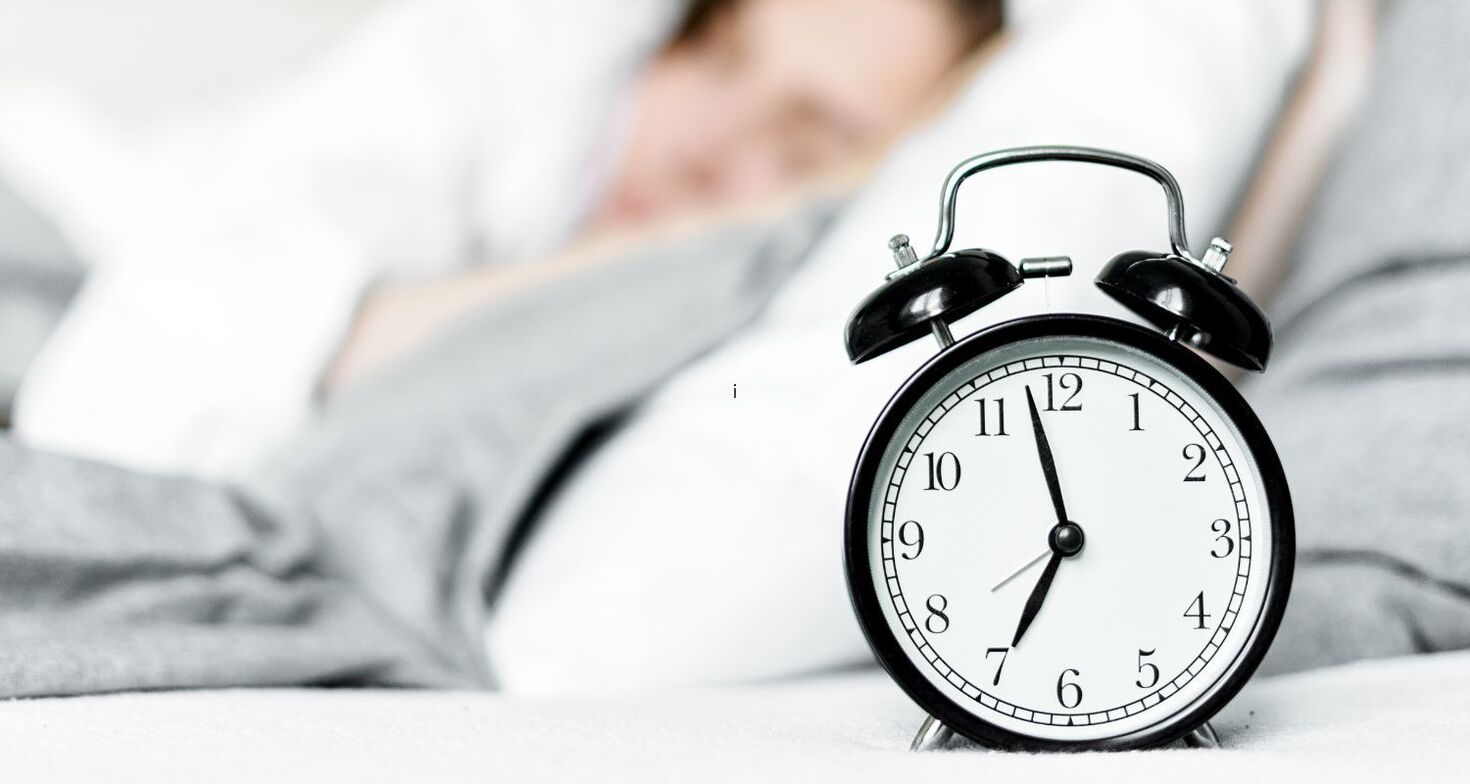
Sleep is not just a physical reset—it is one of the most powerful regulators of mental health. Yet millions of people consistently underestimate the connection between sleep and mental health, often prioritizing work, screens, or stress over rest. When sleep is disrupted or insufficient, the effects go far beyond feeling tired. Chronic sleep loss can directly impact mood regulation, emotional stability, stress levels, and overall psychological well-being.
Understanding how sleep affects the brain—and what happens when you don’t get enough—can be a critical step toward protecting your mental health.
The Connection Between Sleep and Mental Health
Sleep and mental health are deeply intertwined. During sleep, the brain processes emotions, consolidates memories, and restores the nervous system. Healthy sleep supports emotional resilience, cognitive clarity, and balanced stress hormones. When sleep quality declines, mental health often follows.
Research consistently shows strong links between poor sleep and conditions such as anxiety, depression, and chronic stress. Sleep disruptions can intensify emotional reactivity, making everyday challenges feel overwhelming. Over time, this creates a cycle where mental health struggles interfere with sleep—and lack of sleep worsens mental health.
In short, good sleep supports good mental health, and poor sleep increases vulnerability to psychological distress.
How Sleep Supports Mood Regulation
One of sleep’s most important mental health functions is mood regulation. While you sleep—especially during REM sleep—the brain processes emotional experiences and regulates neurotransmitters such as serotonin and dopamine.
When sleep is adequate:
-
Emotions feel more manageable
-
Stress responses are calmer
-
Mood is more stable
-
Irritability is reduced
When sleep is disrupted, the brain struggles to regulate emotions effectively. This can lead to heightened sensitivity, mood swings, and emotional exhaustion. People who experience poor sleep often report feeling “on edge,” emotionally reactive, or overwhelmed by situations that normally wouldn’t bother them.
Sleep Deprivation and Mental Health: What Happens When You Don’t Get Enough Sleep
Sleep deprivation and mental health issues are closely linked. Even short-term sleep loss can negatively affect emotional control and mental clarity. Chronic sleep deprivation increases the risk of developing or worsening mental health conditions.
Common Sleep Deprivation Symptoms That Affect Mental Health
-
Increased anxiety and racing thoughts
-
Heightened stress response
-
Difficulty concentrating or making decisions
-
Emotional numbness or mood instability
-
Increased irritability and frustration
-
Low motivation and fatigue
Over time, ongoing sleep deprivation symptoms can contribute to more serious mental health challenges, including persistent anxiety disorders and depression.
Sleep Deprivation, Anxiety, and Stress
Sleep deprivation significantly increases stress and anxiety symptoms. When the body doesn’t get enough rest, stress hormones like cortisol remain elevated. This keeps the nervous system in a constant state of alert, making it harder to relax or feel safe.
For individuals struggling with anxiety, poor sleep can:
-
Increase worry and rumination
-
Intensify physical anxiety symptoms
-
Make panic responses more frequent
-
Reduce emotional resilience
Similarly, sleep deprivation worsens stress, making it harder to cope with daily demands. Without proper sleep, even minor stressors can feel unmanageable.
Learning how to manage anxiety and stress often starts with improving sleep habits, as rest helps calm the nervous system and reduce emotional overload.
The Link Between Sleep Deprivation and Depression
The relationship between sleep and depression is especially strong. Sleep disturbances are one of the most common symptoms of depression—and chronic sleep deprivation can also increase the risk of developing depressive symptoms.
Poor sleep can contribute to:
-
Persistent low mood
-
Feelings of hopelessness
-
Emotional numbness
-
Reduced motivation and energy
When sleep deprivation continues, the brain struggles to regulate mood-related chemicals, making recovery from depression more difficult. Addressing sleep issues is often a crucial part of effective mental health treatment.
Stress, Anxiety, and the Vicious Sleep Cycle
Stress and anxiety often interfere with sleep, while poor sleep increases stress and anxiety—creating a self-perpetuating cycle. Racing thoughts, physical tension, and emotional distress can make it hard to fall or stay asleep. Then, the resulting sleep deprivation intensifies stress and anxiety symptoms the next day.
Breaking this cycle requires understanding how to reduce stress and anxiety while also supporting healthier sleep patterns. Sleep is not just rest—it is recovery for the mind.
How Improving Sleep Can Improve Mental Health
Improving sleep quality can have profound mental health benefits. When sleep improves, many people experience:
-
Reduced anxiety levels
-
Better stress tolerance
-
Improved mood regulation
-
Greater emotional clarity
-
Increased resilience
For individuals working on how to manage anxiety and stress, prioritizing sleep can be one of the most effective foundational strategies. Sleep supports emotional processing, nervous system balance, and overall psychological well-being.
When to Seek Support
If sleep deprivation symptoms persist or are accompanied by worsening anxiety, depression, or chronic stress, professional support can help. Mental health treatment often includes addressing sleep habits, stress management, and emotional regulation together—because they are deeply connected.
Improving sleep is not about perfection; it’s about consistency, support, and addressing the mental health factors that interfere with rest.
Final Thoughts
Sleep is not optional for mental health—it is essential. The connection between sleep and mental health affects everything from mood regulation to anxiety, stress levels, and emotional resilience. Chronic sleep deprivation can worsen mental health conditions, while improved sleep can support healing and stability.
By understanding the impact of sleep on mental health—and recognizing sleep deprivation symptoms early—you can take meaningful steps toward better emotional well-being, reduced stress, and improved quality of life.

.jpg)
.jpg)
